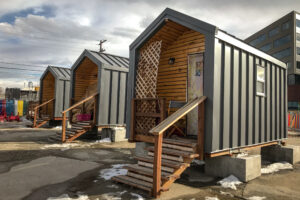
tiny house community maryland




Are you curious about the unique living spaces taking root in Maryland? The concept of tiny homes is gaining momentum across the nation, and tiny home communities Maryland are leading the charge by offering innovative, sustainable, and economical lifestyles. In this blog post, we’ll delve into the thriving world of tiny home communities in the Old Line State, exploring their numerous benefits and the sense of community they foster. Join us as we discover why so many are embracing this minimalist lifestyle and the vibrant neighborhoods emerging throughout Maryland.
Exploring Tiny Home Communities in Maryland
Tiny home communities in Maryland offer an exciting alternative to traditional living. They provide an opportunity for individuals and families to downsize while embracing a lifestyle focused on sustainability and simplicity. These communities often feature picturesque surroundings, allowing residents to connect with nature and enjoy an eco-friendly way of life.
In Maryland, you’ll find a diverse range of tiny home neighborhoods, each with its own unique charm. From bustling towns to serene rural settings, these tiny home communities cater to various lifestyles and preferences. Many offer common amenities such as community gardens, shared gathering spaces, and easy access to local resources.
Furthermore, the vibrant community spirit fosters collaboration and connection among residents, making it easy to form lasting friendships. Overall, exploring tiny home communities in Maryland is not just about finding a place to live, but about joining a movement that emphasizes a simpler, more fulfilling way of life.
Benefits of Living in Tiny Home Communities Maryland
Living in tiny home communities Maryland offers numerous advantages that appeal to various lifestyles. Affordability is a significant benefit; downsizing often reduces living expenses, allowing residents to allocate their finances towards experiences rather than possessions. Additionally, these communities foster a strong sense of community, promoting social interaction and collaboration among neighbors.
Another advantage is the environmental sustainability associated with tiny homes. Smaller living spaces consume fewer resources, significantly reducing energy usage and waste production. Furthermore, embracing minimalist living encourages residents to focus on what truly matters, enhancing their overall well-being.
Also, many tiny home communities feature unique designs and eco-friendly amenities, providing a perfect blend of comfort and style. These factors together create a vibrant, nurturing atmosphere that contributes to a fulfilling lifestyle.
Frequently Asked Questions
What is a tiny house community in Maryland?
A tiny house community in Maryland refers to a collection of small homes, typically ranging from 100 to 400 square feet, that are grouped together on a single piece of land or in a designated area. These communities are designed to promote sustainable living, foster social connections among residents, and provide affordable housing options. Often, they share communal spaces for activities and gardens, emphasizing a communal lifestyle and a reduction in environmental impact.
What are the benefits of living in a tiny house community in Maryland?
Living in a tiny house community in Maryland offers numerous benefits, including financial savings on housing costs, lower utility bills due to smaller living spaces, and a more sustainable lifestyle. Residents can also enjoy a stronger sense of community, as these environments encourage interactions and support among neighbors. Additionally, the proximity to nature and outdoor spaces in many communities promotes a healthier lifestyle, allowing for outdoor recreation and communal activities.
Are there zoning regulations for tiny house communities in Maryland?
Yes, there are zoning regulations for tiny house communities in Maryland, and they can vary by county and municipality. Generally, counties have specific requirements regarding minimum lot sizes, building codes, and occupancy standards for tiny homes. It’s essential for prospective residents or developers to research local zoning laws and engage with planning authorities to ensure compliance. Understanding these regulations can help in identifying suitable locations for establishing or joining a tiny house community.