
little homes for homeless

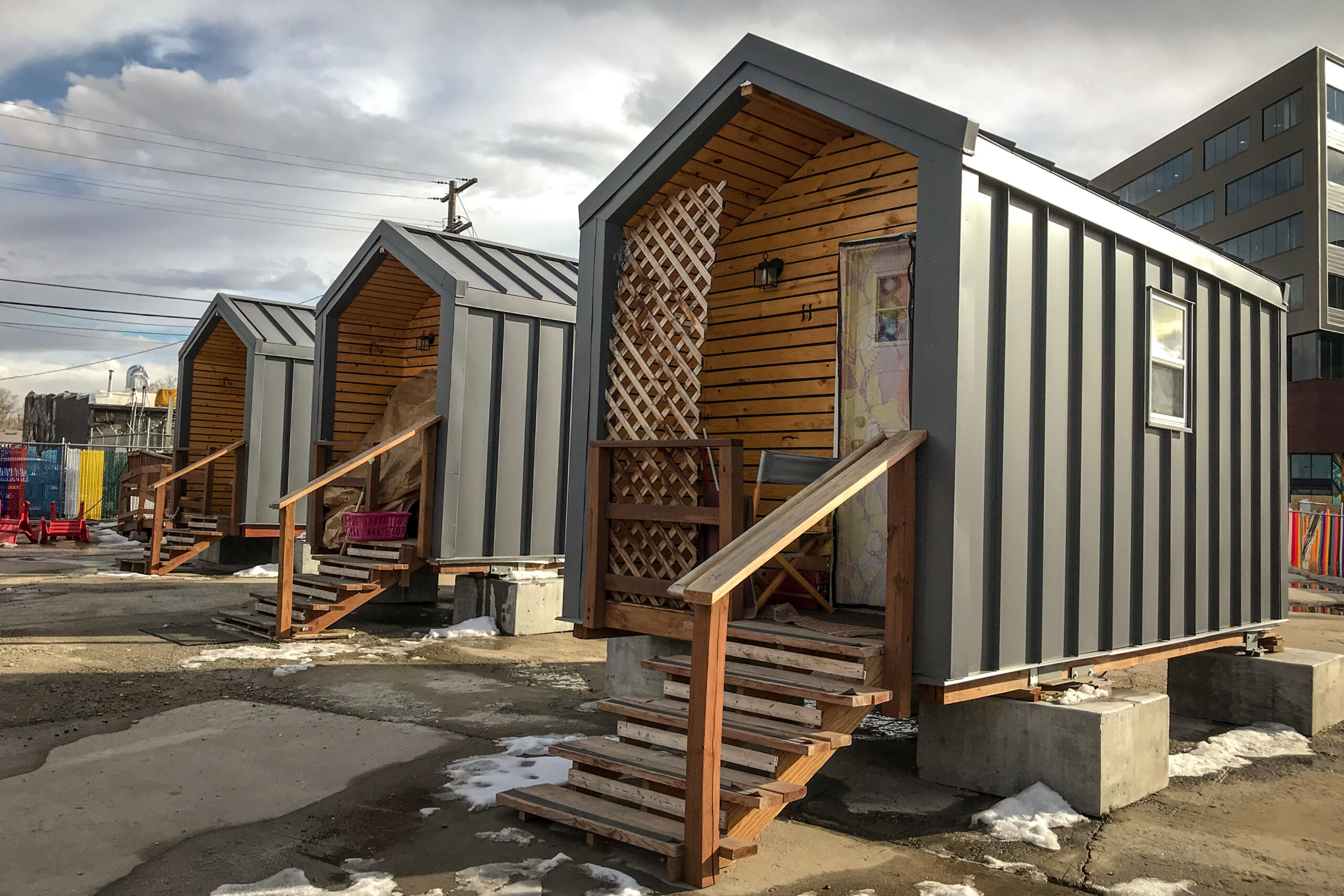


In recent years, the growing crisis of homelessness has prompted innovative solutions aimed at providing shelter and support for those in need. Among these approaches, the concept of tiny houses has emerged as a promising alternative, offering a sense of dignity, safety, and community for individuals facing homelessness. As urban areas grapple with rising housing costs and limited resources, these compact living spaces—referred to as tiny houses homeless—present a viable way to address both immediate shelter needs and broader societal challenges. This blog post explores the rise of tiny houses for the homeless, examining their impact, benefits, and the communities that have embraced this creative response to a pressing issue.
The Rise of Tiny Houses for the Homeless
The concept of tiny houses for homeless individuals has gained significant traction in recent years. As urban populations swell and affordable housing options dwindle, communities are increasingly adopting this innovative solution. Tiny houses provide a practical and cost-effective way to offer shelter without the need for vast resources.
Moreover, these compact homes promote sustainable living by utilizing fewer materials and encouraging the use of renewable energy sources. Transitioning to tiny houses often leads to increased community support, as residents can participate in programs dedicated to maintenance and enhancement. Not only do these small dwellings offer safety and stability, but they also foster a sense of community among residents. Consequently, tiny houses serve as a beacon of hope for many facing homelessness, effectively addressing a pressing issue in today’s society.