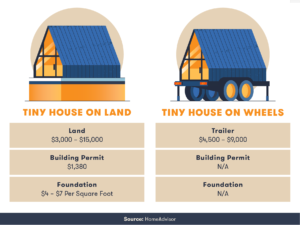
purchasing a tiny house




Purchasing a tiny house has become an increasingly popular choice for those seeking a simpler, more sustainable lifestyle. With the rise in demand, understanding the nuances of small home prices is crucial for prospective buyers. This post will guide you through the current market landscape, highlighting the various factors that influence the cost of these compact dwellings. Whether you’re looking for a cozy retreat or a full-time residence, navigating the financial aspects of tiny house ownership is essential for making informed decisions.
Understanding Small Home Prices in Today’s Market
Navigating the world of tiny homes can be an exciting yet challenging experience. Small home prices can vary significantly based on several factors. First, location plays a pivotal role; homes in urban areas might command higher prices due to demand, while rural settings often feature more affordable options. Additionally, the materials used in construction influence costs. High-quality materials or eco-friendly options typically lead to higher overall pricing.
Another critical aspect is the size and design of the tiny home. Custom-built designs with unique features may cost more than pre-fabricated models. Lastly, market trends and economic conditions can alter pricing dynamics, making it essential for prospective buyers to stay informed and compare their options. Understanding these variables will help you make a more educated purchase.
Factors Influencing the Cost of Purchasing a Tiny House
When considering the cost of a tiny house, several key factors come into play. Firstly, location significantly impacts pricing; homes in urban centers tend to be more expensive due to demand and land scarcity. Conversely, rural areas might offer lower small home prices, making them attractive options for buyers on a budget.
Next, the materials used in construction can dramatically influence costs. High-quality, sustainable materials may raise your upfront expenses but can result in long-term savings. Additionally, the design complexity—from basic floor plans to custom-built models—can vary pricing, with intricate designs generally costing more.
Lastly, local building codes and regulations can affect the total cost. Compliance with specific standards may require additional expenses. Understanding these factors will enable you to make an informed decision when purchasing a tiny house, ultimately aligning your budget with your living aspirations.
Frequently Asked Questions
What factors should I consider before purchasing a tiny house?
Before purchasing a tiny house, it is crucial to evaluate several factors, including your budget, preferred location, and lifestyle needs. Consider how much space you truly require to live comfortably, and whether you are looking for a permanent residence or a vacation home. Research local zoning laws and building codes, as they can vary significantly by region and may influence your options. Additionally, think about utilities and sustainable living practices, such as water, electricity, and waste management solutions.
Are there financing options for buying a tiny house?
Yes, there are various financing options available for purchasing a tiny house. Many buyers consider personal loans or specialized tiny house loans offered by certain lenders. Some banks may also provide mortgages for tiny homes built on permanent foundations. It’s essential to check your credit score and explore different financial institutions, as terms and interest rates can vary. Additionally, consider whether you will need a down payment, and be aware of other fees that could be associated with the loan, such as closing costs.
How do I find a reputable tiny house builder?
Finding a reputable tiny house builder requires thorough research. Begin by asking for recommendations from friends, family, or online communities focused on tiny living. Look for builders with good reviews and testimonials, and don’t hesitate to ask for references from previous clients. Additionally, visit completed models to assess construction quality and craftsmanship. Ensure the builder is licensed, insured, and familiar with local building codes. Attending tiny house expos can also be a fantastic way to meet builders and learn more about their work.