permanent tiny home communities




As housing costs climb and land grows scarce, permanent tiny home communities are emerging as practical, people-centered solutions that balance affordability, sustainability, and dignity. In this post, we’ll define what sets these neighborhoods apart—from smart site planning and code-compliant infrastructure to resident-led governance, fair financing models, and supportive amenities that foster stability and belonging. By unpacking how zoning, utilities, design standards, and community agreements work together, we’ll reveal why well-planned, permanent communities can transform small-footprint living into long-term housing that truly works.
Defining permanent tiny home communities and what makes them work
Permanent tiny home communities are purpose-built neighborhoods where small, code-compliant dwellings sit on legally designated lots, supported by long-term infrastructure and governance. Unlike pop-up villages or RV parks, these places are designed for stability, equity, and everyday life. They thrive because they balance predictable rules with flexible design, ensuring residents can put down roots without sacrificing creativity or affordability.
- Clear legal footing: Success starts with zoning that permits tiny homes as primary residences, along with adopted building codes (IRC Appendix Q or similar). This legal clarity enables financing, insurance, mail delivery, and school enrollment.
- Durable infrastructure: Communities work when they invest in permanent utilities—buried power, municipal or well-managed water, sewer or advanced septic, fiber internet, and resilient roadways—reducing maintenance costs and disruptions.
- Thoughtful site planning: Human-scale streets, clustered homes, and shared green spaces support walkability and neighborly interaction. Sun-oriented lots, trees, and passive design boost comfort and reduce energy needs.
- Shared amenities: Common houses, tool libraries, laundry, gardens, and EV charging spread costs and encourage daily connection, while reserving private space for rest and focus.
- Fair governance: Clear covenants, resident-led associations or co-ops, and transparent budgeting keep the community healthy. Models like community land trusts preserve affordability and prevent speculative displacement.
- Economic viability: Right-sized fees, mixed tenure (owned and rented homes), and phased development keep projects solvent while welcoming diverse incomes.
- Resilience and stewardship: Firewise landscaping, water management, and renewable energy create self-reliant neighborhoods that adapt to climate and market shifts.
When these elements align, permanent communities of tiny homes deliver lasting affordability, belonging, and a higher quality of life.
Frequently Asked Questions
What is a permanent tiny home community, and how is it different from an RV park or temporary tiny house village?
A permanent tiny home community is a residential neighborhood designed for long-term living in small-footprint dwellings, typically built on foundations or engineered chassis that comply with local residential codes. Unlike RV parks, which are usually zoned for transient or recreational use and limit stays, permanent communities are planned as primary residences with year-round infrastructure, mail delivery, and legal occupancy. They often feature shared amenities—like community gardens, workshops, and co-working spaces—plus governance structures such as HOAs or co-ops that maintain standards and support long-term stability. The focus is on durable construction, predictable residency, and neighborhood cohesion rather than short-term or seasonal use.
What zoning, building codes, and permitting issues should I understand before joining or creating a permanent tiny home community?
Start by confirming land-use zoning that explicitly allows full-time tiny dwellings—common paths include Planned Unit Developments (PUDs), cottage housing ordinances, cluster developments, or special use permits. Building code compliance varies: some communities use site-built tiny houses under the International Residential Code (including Appendix Q for homes under 400 sq. ft.), while others host movable tiny houses that must meet ANSI/NFPA standards and local tie-down, skirting, and utility rules. You’ll need approvals for water, sewer or septic, electrical service, and road access; fire department turnarounds and hydrant spacing may apply. Expect design guidelines, minimum lot sizes, and density limits. Early engagement with planning officials, a code-savvy architect, and civil engineer can shorten timelines and reduce costly redesigns.
How much does it cost to live in a permanent tiny home community, and how do people typically finance it?
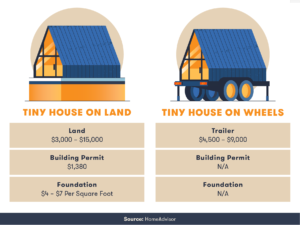
Total costs include the home itself, land or pad purchase (or lease), site prep, utility hookups, and recurring community dues. A code-compliant tiny house might range from $50,000–$150,000+ depending on build quality, foundation, and finishes. Land or pad costs vary widely by region; some communities sell small lots, while others charge monthly pad rents that may include water, sewer, trash, and shared amenity access. HOAs or co-ops often assess dues for maintenance, insurance, and reserves. Financing can involve personal loans, RV loans for movable units, construction loans converting to mortgages for foundation builds, or community land trusts and co-op shares to reduce entry costs. Factor property taxes, insurance, and contingency funds for utilities and infrastructure upkeep.