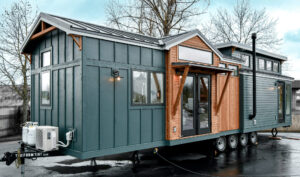
tiny house subdivision




Dreaming of a community built around smart design and smaller footprints? This guide breaks down the real-world steps for planning a tiny house subdivision, from decoding zoning laws and land-use classifications to crafting site plans that meet density, setback, and open-space requirements. You’ll learn how to navigate permits and variances, align with building codes like IRC Appendix Q, and plan essential infrastructure—water, sewer or septic, stormwater management, electricity, fire access, roads, parking, and broadband—without blowing the budget. We’ll also cover financing considerations, impact fees, environmental reviews, HOA or co-op structures, and resilient, sustainable amenities that make small-home neighborhoods livable, legal, and future-proof.
Planning, Zoning, and Infrastructure for a Tiny House Subdivision
Thoughtful preparation is the backbone of a successful small-footprint community. Start with comprehensive site analysis: evaluate soil stability, topography, flood risk, and prevailing winds to determine optimal pad locations and orientation for daylight, privacy, and energy efficiency. Next, align your vision with local zoning codes by confirming minimum lot sizes, setbacks, density limits, and any special use permits required. Where codes are silent, pursue a text amendment or planned unit development to secure flexibility while meeting safety standards.
Prioritize utility strategy early. Decide whether to install individual or shared water meters, and design wastewater solutions that meet public health regulations—conventional sewer connections, clustered advanced treatment, or approved alternative systems. Ensure electrical capacity supports modern loads and includes EV charging readiness. Integrate broadband conduit from day one; reliable internet access is no longer optional.
Design for safe access and circulation. Right-size roads, specify permeable surfaces where feasible, and provide turning radii that accommodate emergency vehicles. Include marked pedestrian paths and lighting for visibility without excessive glare. Plan stormwater management with bioswales, rain gardens, and cisterns to reduce runoff and enhance site ecology.
Address fire and life safety with hydrant spacing, defensible landscaping, and clear addressing. Establish shared amenities—laundry, tool libraries, mail kiosks, and storage—to maximize livability without inflating footprints. Finally, build governance and maintenance plans that define responsibilities, design standards, quiet hours, and long-term funding for roads, utilities, and common areas. By synchronizing land-use approvals with infrastructure engineering, you reduce risk, accelerate buildout, and create a resilient, people-first neighborhood.
Additional Reading Suggestions
Frequently Asked Questions
What zoning and permitting considerations are unique to a tiny house subdivision?
Tiny house subdivisions typically navigate a blend of residential and planned unit development (PUD) codes. Many jurisdictions still classify tiny homes differently depending on their foundation type—permanent foundation homes are treated like conventional single‑family units, while movable tiny houses may be regulated as RVs or park models. Expect requirements for minimum lot sizes, setbacks, density caps, and design standards. You may need variances or a rezoning to cluster smaller homes. Also plan for building code compliance (e.g., IRC Appendix Q where adopted), fire access, parking ratios, and stormwater approvals. Early pre‑application meetings with planning, building, and fire departments can prevent costly redesigns and delays.
How are infrastructure and utilities typically handled in a tiny house subdivision?
Infrastructure planning mirrors traditional subdivisions but scaled for higher density and lower loads. Lots should include clearly mapped utility laterals for water, sewer (or approved clustered septic), electricity, and broadband. Clustered utility banks and shared service corridors reduce trenching costs, and smart meters help manage usage across small footprints. Roadways may be narrower with permeable paving, but must still meet fire‑turning radii and emergency access standards. Stormwater is often handled with bioswales, rain gardens, and shared detention. If units are movable, consider pedestal hookups and frost‑proof connections. A well‑written CC&R or utility easement plan is essential for maintenance responsibilities and cost sharing.
What financing, insurance, and resale factors should buyers consider in a tiny house subdivision?
Financing depends on how the home is classified. Permanently affixed tiny homes can qualify for conventional or portfolio mortgages, while movable models often use chattel loans, RV financing, or personal loans. Insurance follows the same logic: homeowners policies for real property, and specialty or RV policies for movable units. Appraisals may use paired‑sales or cost approaches due to limited comps. Verify HOA dues, land‑lease terms, and any rental restrictions. For resale, marketability improves with clear titles, compliance documentation, energy certifications, and a stable association reserve study. Buyers should request a full disclosure packet covering permits, warranties, and community rules.