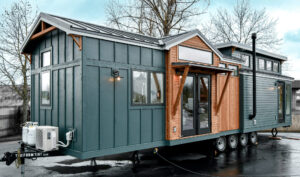
small house village




In recent years, the concept of living in a small house village has gained tremendous popularity, appealing to those seeking a simpler, more sustainable lifestyle. These charming communities not only foster close-knit relationships among neighbors but also offer significant advantages such as reduced environmental impact and lower living costs. As more individuals and families recognize the benefits of downsizing and embracing minimalist living, the allure of designing and building a tailored small house village becomes increasingly evident. In this blog post, we’ll explore the myriad benefits of residing in such a community and delve into the essential considerations for creating and constructing your own small house village.
Benefits of Living in a Small House Village
Living in a small house village offers numerous advantages that appeal to a wide range of individuals and families. Affordability stands out as a primary benefit; smaller homes typically come with lower mortgage payments and reduced utility costs. In addition, residing in a compact community fosters stronger connections among neighbors, promoting a sense of belonging and shared purpose.
Moreover, these villages encourage a sustainable lifestyle by minimizing the environmental footprint. Smaller living spaces often lead to less clutter and more thoughtful consumption. Furthermore, the design of these communities tends to focus on green spaces and pedestrian-friendly layouts, making it easy for residents to engage in outdoor activities. In essence, living in a smaller community not only promotes financial savings but also enhances social interaction and environmental responsibility.
Designing and Building a Small House Village
Designing and constructing a cohesive community of compact homes requires careful planning and creativity. In a small house village, emphasis should be placed on efficient space utilization to ensure every home feels both functional and inviting. Start by considering sustainable materials that reduce environmental impact while maintaining aesthetic appeal.
Collaboration with architects can enhance the design process, enabling the creation of charming layouts that promote connectivity among residents. Additionally, incorporating communal spaces such as gardens or gathering areas fosters a sense of belonging and encourages community interaction.
Finally, maintaining compliance with zoning laws and regulations is crucial to ensure the project’s long-term success. By thoughtfully addressing these elements, a well-designed small house community can flourish, offering comfort, sustainability, and a unique lifestyle for its residents.
Frequently Asked Questions
What is a small house village?
A small house village is a community designed primarily for the construction and use of small, often eco-friendly homes that emphasize sustainability, simplicity, and a connection to nature. These villages typically promote a shared lifestyle that fosters a sense of community among residents, encouraging social interaction and collaboration. The homes may range in size, but they are generally designed to be compact and efficient, maximizing space while minimizing environmental impact. Residents often share communal spaces such as gardens, workshops, and recreational areas to enhance community living.
What are the benefits of living in a small house village?
Living in a small house village offers numerous benefits, including lower living costs, reduced maintenance requirements, and a smaller ecological footprint. Residents often enjoy a sense of camaraderie with their neighbors, fostering friendships and support networks that may be lacking in traditional housing developments. Additionally, these villages can promote a simpler lifestyle, encouraging minimalism and sustainable practices. The emphasis on shared resources and communal spaces can also lead to increased outdoor activities and enhanced well-being, making them attractive to families, retirees, and individuals seeking a more meaningful living experience.
How do I join or start a small house village?
Joining or starting a small house village typically involves researching existing communities or finding suitable land to develop one. Potential residents should consider factors such as location, zoning requirements, and community regulations. Networking with like-minded individuals is crucial, as creating a village requires collaboration among future residents regarding design choices, shared facilities, and community governance. There are various online platforms and organizations dedicated to tiny house living that can provide resources, guidance, and connections to help individuals explore their options and make informed decisions about joining or establishing a small house village.