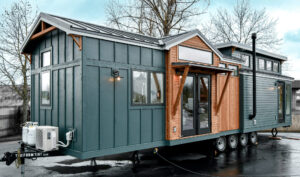
small house communities




As more people seek affordable, sustainable, and connected ways to live, small house communities are reshaping what “home” can mean—blending smart design, lower costs, and a strong sense of belonging. In this guide, we’ll dig into how these neighborhoods actually work: from navigating zoning and permitting hurdles to the design principles that maximize comfort and efficiency on a compact footprint. You’ll learn what to expect in terms of upfront costs and ongoing expenses, how shared amenities and common spaces foster community life, and the practical trade-offs to consider before making the leap. Whether you’re curious about downsizing, building a resilient lifestyle, or exploring alternative housing solutions, this overview will help you understand the real-world mechanics behind this growing movement.
How Small House Communities Work: Zoning, Design, Costs, and Community Life
Understanding how small house communities function starts with land-use rules and ends with everyday rhythms of shared living. The model blends housing efficiency, neighborly design, and practical governance to create a stable, livable place.
Zoning and Permits: Local codes shape what’s possible. Cities often use tools like cottage housing ordinances, cluster subdivisions, or planned unit developments to allow compact homes with shared open space. Form-based codes can prioritize building form over use, easing minimum lot-size and parking requirements. You’ll usually navigate site plan approval, utility hookups, and fire access standards. If homes are on wheels, RV or park model classifications may apply; if on foundations, the International Residential Code and local minimum square footage rules matter.
Design and Infrastructure: Thoughtful layouts put cars at the edge and people at the center. Small footprints ring a common green, while pathways, a community house, and storage hubs reduce clutter and encourage daily encounters. Builders often use modular or panelized methods to control costs, along with passive solar orientation, energy-efficient envelopes, and shared broadband. Centralized waste, mail, and package areas streamline logistics, and rain gardens or bioswales manage stormwater.
Costs and Financing: Budgets typically break into land, site work, units, and soft costs. Land acquisition depends on location and utilities. Site work includes grading, roads, lighting, and per-home utility laterals. Units may be factory-built cottages or custom small homes; financing can blend construction loans, mortgages, or park-model loans depending on classification. Ongoing expenses include HOA or co-op dues that maintain common areas, insurance, reserves, and internet, often offset by lower energy use.
Community Life and Governance: Most neighborhoods adopt clear agreements from day one. A small HOA, condo association, or co-op sets policies on parking, pets, quiet hours, and garden use. Residents coordinate shared tools, organize potlucks, and maintain a chore roster for pathways, landscaping, and the common house. Transparent conflict-resolution practices, regular meetings, and digital dashboards keep operations smooth and accountability high.
Resources You Might Find Helpful
Frequently Asked Questions
What are small house communities, and how do they differ from traditional neighborhoods?
Small house communities are clusters of compact, efficiently designed homes—often tiny houses or small cottages—organized around shared spaces and resources. Unlike traditional neighborhoods dominated by larger single-family homes and private yards, these communities emphasize minimal footprints, intentional living, and communal amenities such as gardens, workshops, and common houses. Their layouts often encourage walkability and social interaction, with parking kept to the perimeter. Governance is typically more participatory, using homeowner associations or co-op models to maintain shared spaces and set community norms.
What are the benefits and challenges of living in a small house community?
Benefits include lower housing costs, reduced environmental impact, and a strong sense of belonging. Smaller homes require less energy to heat and cool, and shared resources—like tool libraries, community gardens, and co-working spaces—further reduce consumption and expenses. Socially, residents often report deeper connections and mutual support, from shared meals to informal childcare. Challenges can include zoning hurdles, limited storage and privacy, noise transfer in denser layouts, and the need for consensus-based decision-making, which can be time-consuming. Resale markets may also be narrower, affecting liquidity.
How can I join or start a small house community, and what legal or financial factors should I consider?
To join, search for existing communities via local housing networks, co-housing directories, and social media groups; attend open houses, volunteer days, or governance meetings to gauge fit. To start one, assemble a core group, define values and budget, and engage professionals—planners, architects, and land-use attorneys—early. Key factors include zoning and building codes (minimum square footage, ADU rules, utility hookups), land tenure models (fee-simple, condominium, co-op, or land trust), financing options (construction loans, community land trust partnerships), infrastructure costs, and clear governance documents that cover maintenance, conflict resolution, and resale policies.