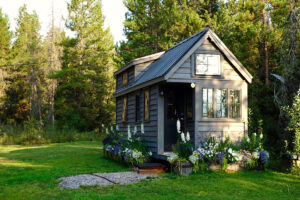
purchase tiny home on wheels




In recent years, the trend of tiny living has gained remarkable momentum, with more people embracing a simpler, minimalist lifestyle. One of the most appealing options within this movement is the opportunity to purchase tiny home on wheels. These mobile dwellings offer a unique combination of affordability, mobility, and sustainability, allowing homeowners to travel freely while enjoying the comforts of home. However, the allure of tiny homes on wheels comes with its own set of considerations, making it essential for potential buyers to weigh the benefits and think through the essential factors before making this exciting investment.
Benefits of Purchasing a Tiny Home on Wheels
Opting for a tiny home on wheels offers a variety of compelling benefits that attract an increasing number of buyers each year. One of the primary advantages is mobility. Unlike traditional homes, tiny homes on wheels allow you to take your living space with you wherever you go. This flexibility can lead to exciting opportunities for travel and experiencing new environments, whether you’re visiting picturesque mountains, serene beaches, or vibrant cities.
Another significant benefit is affordability. Tiny homes generally come with a lower price tag compared to conventional houses. This financial advantage makes homeownership attainable for individuals and families who may otherwise struggle to enter the housing market. Furthermore, lower maintenance costs accompany smaller spaces, reducing ongoing expenses for electricity, heating, and upkeep.
Additionally, tiny homes promote a simplified lifestyle. Living in a smaller space often encourages decluttering, helping you focus on what truly matters in your life. This minimalistic approach leads to reduced stress and enhanced well-being, allowing you to appreciate life’s simpler pleasures.
Moreover, owning a tiny home on wheels can result in lower environmental impact. These homes typically utilize eco-friendly materials and design principles, promoting sustainability. Whether it’s through energy-efficient appliances or innovative waste management systems, tiny houses cater to conscious living and environmental stewardship.
Finally, purchasing a tiny home offers a unique opportunity for community and connection. Many tiny home owners find themselves part of like-minded communities that prioritize sustainability and a minimalist lifestyle. These connections can lead to friendships, support networks, and shared experiences that are enriching and fulfilling. With all these advantages, it’s clear why many are eager to purchase tiny home on wheels.
Essential Considerations for Buying a Tiny Home on Wheels
When you decide to purchase a tiny home, particularly one on wheels, several essential factors come into play to ensure you make a wise investment. First and foremost, consider your budget. Tiny homes can range significantly in price based on size, materials, and customization. Outline your finances and seek a balance between quality and affordability, accounting for future maintenance costs.
Next, think about the design and layout. Tiny homes offer diverse floor plans, so it’s vital to choose a design that meets your lifestyle needs. Do you require separate sleeping spaces, or is an open layout more your style? Moreover, assess the practicality of your design choices, such as storage and functionality; after all, space is at a premium.
Another crucial consideration is mobility. Since you’re opting for a tiny home on wheels, make sure it’s built for travel. Check the weight and dimensions, as these factors affect towing capabilities and can influence locations where you can park or camp. Additionally, consider investing in a reliable towing vehicle if you don’t already own one.
Local zoning laws and regulations also play an important role. Before you commit to a purchase, research the legalities of placing a tiny home in your desired area. Some regions impose restrictions on tiny homes or may require specific permits. Engaging local authorities will save you future headaches and ensure compliance.
Finally, think about energy efficiency and sustainability. Tiny homes often embrace eco-friendly practices, so look for options that offer solar power solutions, rainwater collection systems, and energy-efficient appliances. Incorporating these elements will not only reduce your carbon footprint but also keep your utility bills manageable as you settle into your new lifestyle.
Frequently Asked Questions
What are the advantages of purchasing a tiny home on wheels?
Purchasing a tiny home on wheels offers numerous advantages, primarily the flexibility and mobility that traditional homes do not provide. With a tiny home on wheels, you can choose to relocate with ease, allowing you to experience different environments and lifestyles without being tied to a single location. Additionally, these homes often have lower overall costs, both in purchasing and maintaining, which can significantly reduce your financial burden. Furthermore, they promote a minimalist lifestyle, encouraging individuals to prioritize what truly matters. Overall, tiny homes on wheels represent a unique blend of freedom, affordability, and sustainable living.
What are the legal considerations for living in a tiny home on wheels?
Living in a tiny home on wheels involves various legal considerations that vary by location, including zoning laws, building codes, and residential regulations. Many areas have specific regulations regarding the size and location of tiny homes, which can affect where you can park or live full-time. For instance, some municipalities may not allow tiny homes to be used as permanent residences, while others might require permits for parking them on private land. It is crucial to research local laws and possibly consult with a legal expert to ensure compliance with zoning regulations before making your purchase.
How do I finance a tiny home on wheels?
Financing a tiny home on wheels can be approached in several ways, depending on your financial situation and the cost of the home. Traditional mortgage options may not be available for tiny homes, since they often fall below the minimum loan amount. However, many buyers turn to personal loans, RV loans, or even home equity loans if applicable. Additionally, some financial institutions are beginning to offer specific loans for tiny homes. Buyers should prepare by checking their credit scores and gathering financial documentation to facilitate the loan application process.