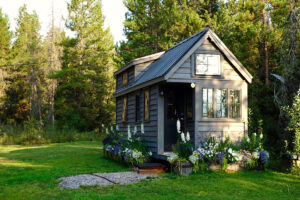
government tiny homes




As housing affordability continues to be a pressing issue across many communities, innovative solutions are more important than ever. Among these solutions, government tiny homes have emerged as a promising alternative to traditional housing options, offering a sustainable and cost-effective way to address the needs of low-income families and individuals. However, while the potential benefits of tiny home programs are significant, there are also various challenges and considerations that policymakers must navigate to successfully implement these initiatives. In this blog post, we will delve into the multifaceted advantages of government tiny homes and the obstacles that can arise in the path to creating inclusive, affordable living solutions.
The Benefits of Government Tiny Homes for Affordable Housing
Government initiatives aimed at promoting tiny homes can significantly address the pressing issue of affordable housing in urban and rural areas alike. One of the primary benefits is the cost-effectiveness associated with the construction and maintenance of these compact living spaces. By utilizing innovative building techniques and materials, the overall expenses can be drastically reduced compared to traditional housing options. This affordability makes homeownership attainable for lower-income families and individuals who may have previously felt locked out of the housing market.
Moreover, the environmental sustainability of tiny homes is another compelling advantage. With a smaller footprint, these homes require fewer resources, leading to reduced energy consumption and waste production. In turn, this can contribute to a more eco-friendly lifestyle by minimizing the carbon footprint of residents, highlighting the potential for these initiatives to align with broader environmental goals.
Additionally, these housing solutions promote community-building. Tiny home villages often cultivate a sense of camaraderie among residents, who share communal spaces and resources. This can enhance social support networks, offering a sense of belonging and fostering connections that are crucial for emotional well-being.
Furthermore, government-backed tiny home programs can serve to combat homelessness. By providing a stable and affordable housing solution, these initiatives can help transition individuals and families out of temporary shelters or precarious living situations. Ultimately, this contributes to better health outcomes, increased stability, and improved community dynamics.
In essence, the introduction of government tiny homes presents an innovative and multifaceted approach to tackling housing affordability, sustainability, and social cohesion. By embracing this model, communities can work towards a more inclusive future for everyone.
Challenges and Considerations in Implementing Tiny Home Programs
While government tiny homes offer an innovative solution to the affordable housing crisis, their implementation is not without significant challenges. Understanding these obstacles is crucial for effective policy-making and community acceptance.
Zoning and Land Use Regulations: One of the primary hurdles in the rollout of tiny home programs is navigating local zoning laws. Many municipalities have strict regulations governing property sizes, minimum dwelling spaces, and land-use classifications. These laws often need revisions to accommodate the unique nature of tiny homes, making it essential for lawmakers to work closely with community planners and stakeholders.
Funding and Resources: Developing tiny home initiatives requires substantial financial backing. Governments must secure funding for construction and maintenance, as well as invest in infrastructure such as utilities and road access. Tight budgets often limit resources, making it imperative to identify sustainable funding models. Collaboration with non-profits, private sector investments, and public- private partnerships can play a vital role.
Community Acceptance: The success of any tiny home program also hinges on community buy-in. Residents may harbor concerns about potential increases in density, property values, and neighborhood character. Therefore, proactive community engagement is crucial. Educational outreach, town hall meetings, and transparency in the planning process can help overcome resistance and foster support.
Quality and Safety Standards: Maintaining high-quality construction and safety standards is paramount in the design and construction of government tiny homes. Regulators must enforce building codes to ensure that these homes are safe, durable, and livable. This requires skilled labor and high-quality materials, which may increase costs and complicate the timeline for completed projects.
Addressing these challenges is critical for the successful implementation of tiny home initiatives. A coordinated approach that incorporates stakeholder involvement, financial planning, and regulatory adjustments can pave the way for sustainable, affordable housing solutions.
Frequently Asked Questions
What are government tiny homes and how do they function?
Government tiny homes are small, often permanent housing units developed by government entities or organizations aimed at providing affordable housing solutions. They typically serve as a response to housing shortages and homelessness, offering individuals or families a compact living space with essential amenities. These homes are designed with sustainability in mind, promoting energy efficiency and minimal environmental impact. They often range from 100 to 400 square feet and may be located in designated communities or transitional housing programs.
How does the government fund tiny home initiatives?
Funding for government tiny home initiatives typically comes from a combination of federal, state, and local government budgets, as well as grants from nonprofit organizations and private donations. These funds are allocated to the development, construction, and maintenance of tiny home communities. Additionally, some programs may receive financial support through specific housing initiatives aimed at reducing homelessness or increasing affordable housing stock. The government may also provide tax incentives to developers or organizations involved in these projects.
What are the benefits of government tiny homes for communities?
Government tiny homes can provide immense benefits to communities by addressing the urgent need for affordable housing. They offer a sustainable living alternative that reduces urban sprawl and minimizes environmental impact. Additionally, tiny home projects can stimulate local economies through job creation during construction and provide residents with stable housing options. Furthermore, these communities often foster a sense of social cohesion, as residents participate in shared spaces and support one another, thus enhancing overall neighborhood well-being.