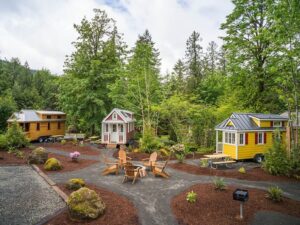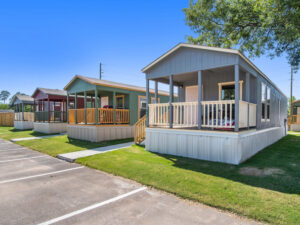
tiny house town




Dreaming of a downsized life with big community vibes? Building a tiny house town takes more than charming cottages—it demands smart zoning strategies, reliable infrastructure, and intentional social design. In this guide, we’ll explore how to navigate zoning and building codes, secure permits, and choose land that supports long-term growth. We’ll break down essentials like water, sewer, power, roads, and broadband, plus innovative options for off-grid resilience and shared amenities. You’ll learn how to create walkable layouts, common spaces, and governance models that foster connection while keeping costs and environmental impact low. From financing and HOA co-ops to waste management, parking, and accessibility, we’ll cover the practical steps—and potential pitfalls—of turning a vision into a livable, thriving micro-neighborhood. Ready to move from sketch to site plan? Let’s get started.
Building a Tiny House Town: Zoning, Infrastructure, and Community Life
Launching a tiny house town starts with smart planning and a clear roadmap. Zoning comes first: identify land that allows small-footprint dwellings through tiny-specific ordinances, village overlays, or Planned Unit Developments. Where codes are outdated, pursue text amendments that define minimum square footage, setbacks, and density. Embrace cluster development to preserve open space while meeting health and safety standards. Permitting matters: streamline approvals with pre-approved plans, shared inspections, and clear design guidelines to accelerate builds.
Infrastructure is the backbone: plan right-sized utilities instead of overbuilding. Consider decentralized wastewater (advanced septic or a package plant), a solar microgrid with battery storage, and rainwater harvesting paired with filtration. Connectivity counts: run conduit early for fiber internet and establish EV-ready parking. Design complete streets with low-speed lanes, permeable paths, and accessible routes. Resilience adds value: use fire-wise landscaping, bioswales for stormwater, and shaded gathering areas to reduce heat.
Community design shapes daily life: mix private lots with shared amenities—tool libraries, co-working nooks, gardens, and a community kitchen—to encourage interaction and reduce costs. Governance should be simple and transparent: choose an HOA or resident co-op with clear bylaws for maintenance, noise, pets, rentals, and architectural standards. Affordability needs safeguards: cap speculative flips, offer long-term land leases, and reserve a portion of homes for local workers or seniors.
Think mixed-use, not monoculture: add a few live-work units, a corner café, or weekend market stalls to support walkability and local jobs. Plan for growth: phase development, monitor utility loads, and set triggers for upgrades. By aligning zoning reforms, right-sized infrastructure, and intentional social design, you create a place that is livable, resilient, and financially sustainable from day one.
Frequently Asked Questions
What is a tiny house town and how is it different from an RV park or a traditional neighborhood?
A tiny house town is a planned community designed primarily for small-footprint homes—typically under 400 square feet—arranged around shared amenities and common spaces. Unlike most RV parks, which are geared toward short-term stays and vehicles built to federal RV standards, tiny house towns often support long-term residency, pedestrian-friendly layouts, gardens, maker spaces, and community halls. Compared to traditional neighborhoods, they emphasize smaller private dwellings, lower infrastructure loads, and intentional community-building, often with shared resources and sustainability goals baked into the site plan.
What zoning and legal considerations should I know before starting or moving into a tiny house town?
Zoning is the biggest hurdle. Many jurisdictions classify tiny homes differently depending on whether they’re on wheels (THOWs) or on foundations. You must check local land-use codes for minimum dwelling sizes, density limits, and whether tiny homes are permitted as primary residences, accessory dwelling units, or in planned unit developments. Building codes (IRC/IBC) and certifications like ANSI/NFPA for THOWs may be required. Expect to navigate permits for utilities, septic or sewer connections, fire access, parking, and accessibility. Work early with planning staff; some communities adopt tiny-house-friendly overlays or form-based codes that streamline approvals.
How do utilities, amenities, and community rules typically work in a tiny house town, and what should I budget?
Most tiny house towns provide centralized infrastructure—metered electric, water, and either municipal sewer or shared septic—plus options for solar, graywater systems, and high-efficiency heating. Shared amenities can include community kitchens, laundries, tool libraries, gardens, coworking nooks, parcel lockers, and EV charging. Rules often govern exterior aesthetics, skirting, composting practices, noise, pets, and rental duration. Costs vary widely by region, but expect a land-lease or HOA-style fee covering maintenance and common services. Residents still pay individual utilities and may contribute to reserve funds for roads, lighting, and resilience upgrades.