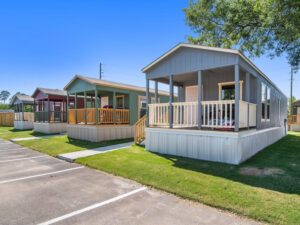
tiny house prices




Tiny houses have gained immense popularity as a sustainable and affordable housing solution, but what does that mean for potential buyers? Understanding the intricacies of tiny house prices is essential for anyone considering making the leap into this minimalist lifestyle. In this blog post, we will explore the various factors influencing small house prices in today’s market, providing you with a comprehensive overview of what to expect when embarking on your tiny house journey. Whether you’re a first-time buyer or simply curious about the trends, our insights will help you navigate the evolving landscape of tiny living.
Understanding Tiny House Prices: A Comprehensive Overview
When it comes to small house prices, several key factors contribute to creating a comprehensive understanding of their market position. Design and functionality play a significant role; many tiny houses are ingeniously crafted to maximize space and utility, ultimately influencing their cost. Additionally, location is critical; tiny homes positioned in urban areas or desirable regions typically command higher prices due to demand.
Another essential aspect is materials and sustainability; eco-friendly builds may cost more upfront, but they often lead to savings in the long run. Lastly, the trend of minimalism and tiny living has surged in popularity, adding an intriguing layer of demand to the market. By considering these elements, potential buyers can better navigate the nuances of tiny house prices.
Factors Influencing Small House Prices in Today’s Market
When considering the dynamics of the housing market, several key elements significantly impact small house prices. Location plays a critical role; properties situated in urban areas typically command higher values than those in rural settings. Additionally, size and design contribute to the appeal, as homeowners often prioritize efficient layouts and modern aesthetics.
Market demand cannot be overlooked. A surge in interest for minimalist living and sustainable practices has led to increased competition, driving prices upwards. Furthermore, fluctuations in construction costs, influenced by material availability and labor rates, affect overall pricing strategies.
Finally, local zoning laws and regulations can either restrict or encourage the development of tiny homes, clearly shaping their market presence. Understanding these factors is essential for both potential buyers and investors in navigating today’s evolving market landscape effectively.
Frequently Asked Questions
What factors influence the price of tiny houses?
The price of tiny houses is influenced by several factors including the size of the house, the materials used in construction, location, and additional features or amenities. Typically, smaller houses are less expensive, but specialized materials, custom designs, or eco-friendly build options can raise the cost significantly. Furthermore, location plays a key role as tiny house communities or land prices vary regionally, affecting the overall investment needed.
Are tiny houses cheaper than traditional houses?
Yes, tiny houses are generally more affordable than traditional homes. The average cost of a tiny house can range from $20,000 to $100,000, depending on size and features, whereas traditional homes often start much higher, especially in urban areas. However, potential homeowners should consider ongoing living costs, land purchases, and utility expenses which can differ between tiny and traditional homes.
How can I finance the purchase of a tiny house?
Financing a tiny house can be challenging due to their unconventional nature, but there are several options available. Many buyers opt for personal loans, as tiny houses may not qualify for traditional mortgages. Additionally, some lenders offer specialized loans for tiny houses on wheels or manufacturers may have financing plans available. It’s important to research and compare various financing options to find the best fit for your financial situation.