tiny house modelleri




Dreaming of a perfectly designed tiny home but unsure which look, layout, or footprint fits your lifestyle? This guide to tiny house modelleri explores the most popular styles—from modern minimalist and Scandinavian to rustic cabins—alongside smart size options under 400 sq ft and adaptable floor plans that maximize every inch. Discover space-saving layouts with loft bedrooms, convertible living areas, clever storage, and multipurpose kitchens; compare mobility-ready trailer builds with foundation-based cottages; and learn how materials, insulation, and off-grid systems influence comfort and cost. Whether you’re downsizing, building a weekend escape, or planning a full-time tiny life, you’ll find inspiration, practical tips, and real-world examples to help you choose the right style, size, and layout for your dream tiny home.
Tiny house modelleri: styles, sizes, and layouts
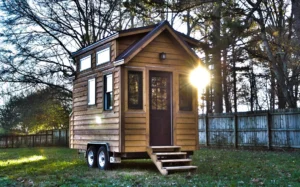
Choosing the right tiny house starts with understanding the diversity of modelleri available—each blending aesthetics, function, and footprint. Styles range from warm, rustic cabins and modern farmhouse exteriors to sleek Scandinavian minimalism and edgy industrial designs. Clean lines, large windows, and natural materials create a sense of space, while bolder palettes and mixed textures add character. Moreover, consider climate and setting: metal roofs and cedar cladding suit wet regions, while stucco or composite siding handle heat with less maintenance.
Sizes in the tiny-home world typically span 16–32 feet in length and 8.5 feet in width for road-legal builds, translating to roughly 120–260 square feet. For more room, go wider with park models or choose a gooseneck trailer to reclaim livable space over the hitch. Additionally, ceiling height matters: a 13’6″ road limit still allows generous lofts when planned correctly.
Layouts should reflect daily routines. A single-level plan benefits accessibility, while lofted sleeping areas free up the main floor for living and work zones. Galley kitchens maximize counter runs; U-shaped layouts enhance prep space. Corner showers, pocket doors, and stair storage unlock hidden utility. For flexible living, opt for convertible furniture, drop-down tables, and murphy beds. Furthermore, place windows opposite each other for cross-ventilation and align plumbing along one wall to cut costs.
For off-grid ambitions, integrate roof-mounted solar, a composting or cassette toilet, and a propane or mini-split system. On foundations, you can expand with decks or a utility bump-out. Ultimately, align modelleri with your lifestyle—remote work, adventure travel, or family life—and your tiny house will feel tailored, efficient, and genuinely spacious.
Frequently Asked Questions
What are the most popular tiny house models and their typical sizes?
Popular tiny house models generally fall into three categories: tiny houses on wheels (THOW), foundation-based cottages, and modular/prefab units. THOW models often range from 16–28 feet in length (about 120–280 sq ft) and emphasize mobility and RV-style hookups. Foundation cottages span 300–600 sq ft, allowing full-size amenities, loft bedrooms, and better insulation for year-round living. Modular/prefab models arrive as factory-built sections, offering rapid installation, consistent quality, and customizable floor plans. Within these, common layouts include studio plans with convertible furniture, lofted sleeping areas for vertical efficiency, and two-bedroom family designs that cleverly use pocket doors and built-ins to maximize storage without sacrificing comfort.
How do building codes and zoning rules impact where I can place a tiny house?
Building codes and zoning are crucial and vary widely by location. For THOW units, zoning may treat them like RVs, restricting long-term habitation or limiting parking to designated parks. Some jurisdictions allow accessory dwelling units (ADUs) on residential lots if they meet size, setback, and utility requirements. Foundation-based tiny homes typically must comply with residential building codes (e.g., IRC), including minimum room sizes, egress, stairs, and energy standards. You may also encounter minimum dwelling size rules, septic or sewer connection mandates, and utility inspections. Always confirm local ordinances, HOA covenants, and permitting pathways, and consider working with a designer experienced in code-compliant tiny construction to streamline approvals.
Which materials and insulation options are best for different climates in tiny house models?
Material and insulation choices should align with climate and mobility needs. For frames, wood is common for cost and ease, while steel offers lighter weight for THOW builds and better resistance to pests. In cold climates, closed-cell spray foam excels at air sealing and moisture resistance, while mineral wool provides fire resistance and sound control. In hot, humid regions, consider exterior continuous insulation, ventilated rain screens, and vapor-open wall assemblies to manage moisture. High-performance windows (low‑E, argon-filled), robust air sealing, and heat-recovery ventilation improve comfort across climates. Roofing with standing-seam metal and proper underlayment enhances durability, and using composite or fiber-cement siding reduces maintenance while maintaining a clean, modern aesthetic.