
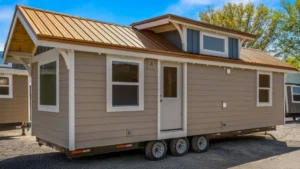
small home rental communities




In recent years, the landscape of housing has evolved, with many individuals and families seeking more intimate living arrangements. Small home rental communities have emerged as a compelling solution, offering unique advantages such as tighter-knit social environments and enhanced affordability. However, the allure of these tight-knit neighborhoods often comes with its own set of challenges for both landlords and tenants. In this blog post, we will delve into the benefits that make small home rental communities attractive while also addressing the hurdles that come with managing them effectively.
Understanding the Benefits of Small Home Rental Communities
Small home rental communities offer a unique living experience that fosters connection and community spirit. Residents often enjoy a close-knit atmosphere, where neighbors know one another and support each other. This social aspect not only enhances safety but also creates opportunities for engaging activities and events.
Affordability is another significant advantage. Smaller homes typically come with lower rental prices, making them an appealing choice for individuals or families evoking budget-friendly choices without sacrificing comfort. Additionally, the ease of maintenance in these homes allows landlords to focus on enhancing tenant satisfaction.
Moreover, small home rental communities often prioritize sustainable living and shared resources, which can lead to a reduced environmental impact. By embracing community living, residents can enjoy a high quality of life while promoting eco-friendly practices. Overall, these communities provide a balanced blend of affordability, connection, and sustainability.
Exploring the Challenges in Managing Small Home Rentals
Managing small home rentals can be rewarding, but it also presents various challenges. Tenant retention is crucial; ensuring your renters are satisfied often requires constant communication and understanding of their needs. Additionally, maintenance issues can arise unexpectedly, demanding prompt attention to keep properties in good condition and tenants happy.
Another significant hurdle is regulatory compliance, as navigating local laws and regulations can be intricate. Moreover, market fluctuations can impact rental pricing and occupancy rates, necessitating vigilant market analysis. Lastly, managing cash flow effectively is essential, particularly when dealing with fluctuating income and potential unexpected expenses. By understanding these challenges, landlords can better prepare and implement strategies to succeed in this competitive environment.
Frequently Asked Questions
What are small home rental communities?
Small home rental communities are residential areas where a limited number of houses or apartments are available for rent, typically consisting of a few dozen units or less. These communities often foster a close-knit atmosphere, encouraging neighborly interactions and a sense of belonging. They can vary in design and amenities, offering a mix of single-family homes, townhouses, or duplexes, and are often managed by property owners or small management companies.
What are the benefits of living in a small home rental community?
Living in a small home rental community offers several benefits, including a greater sense of community and safety, as residents often get to know each other well. These communities typically provide a more personal living experience, where neighbors may share resources and engage in social activities. Additionally, small communities can be more accessible in terms of cost and maintenance, allowing for lower utility bills and fewer nuisance disturbances compared to larger apartment complexes.
How do I find small home rental communities in my area?
To find small home rental communities in your area, start by searching online real estate platforms that specialize in rental listings. Websites like Zillow, Apartments.com, and local rental services can provide insights into available properties. You can also reach out to local real estate agents who have in-depth knowledge of smaller rental markets. Additionally, community bulletin boards and social media groups might have postings about rentals in these intimate neighborhoods.
[…] small home rental communities […]