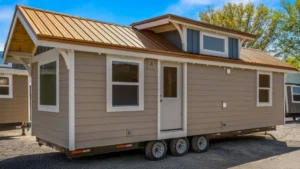
georgia tiny house laws




Are you considering downsizing your living space and embracing a simpler lifestyle in Georgia? The tiny house movement has gained significant traction, appealing to individuals seeking financial freedom and minimalism. However, before you embark on your tiny house journey, it’s essential to understand the legal landscape surrounding this unique dwelling. In this blog post, we will explore the Georgia tiny house laws, focusing on the zoning and building regulations that govern tiny homes in the state. By the end, you’ll have a clearer understanding of how to navigate these requirements and make your tiny living dreams a reality.
Overview of Georgia Tiny House Laws
Understanding the regulatory landscape is crucial for anyone interested in tiny house living in Georgia. Georgia tiny house laws encompass a variety of zoning and construction regulations that can influence where and how you build your tiny home. Each county and city may have unique stipulations, so thorough research is essential. Generally, tiny houses can be classified as either recreational vehicles or dwellings, which affects compliance requirements. Additionally, some areas may allow tiny houses on wheels, while others may only permit stationary homes. It’s vital to check local codes and guidelines to ensure your tiny house project aligns with state and municipality regulations. This proactive approach can help you avoid potential legal pitfalls and enjoy your tiny house lifestyle to the fullest.
Zoning and Building Regulations for Tiny Houses in Georgia
When considering a tiny house in Georgia, understanding Georgia tiny house laws regarding zoning and building regulations is crucial. First and foremost, zoning regulations can significantly vary by county and city, so it’s essential to contact local authorities for specific requirements. Setbacks—the distance your tiny house must be from property lines—often apply, impacting where you can place your home.
Additionally, many areas have minimum square footage requirements that could affect tiny homes. It’s also vital to ensure compliance with the building codes, which can include aspects such as safety features, plumbing, and electrical standards. In some cases, you may need to obtain a building permit before construction. Therefore, thorough research is key to navigating these regulations smoothly and ensuring your tiny home project aligns with local laws.
Frequently Asked Questions
What are the zoning regulations for tiny houses in Georgia?
In Georgia, the zoning regulations for tiny houses can vary significantly from one county or city to another. Generally, tiny houses may be subject to specific zoning laws that dictate where they can be placed, whether on a permanent foundation or as a mobile unit. Some areas allow tiny houses as accessory dwelling units, while others require a minimum square footage for houses. It’s essential to consult the local zoning office to understand the specific regulations that apply to your location.
Do tiny houses in Georgia need to comply with building codes?
Yes, tiny houses in Georgia must comply with local building codes, which ensure safety and structural integrity. While the state does not have a specific tiny house code, builders are typically required to adhere to the International Building Code or the International Residential Code, depending on the classification of the tiny house. This compliance includes obtaining necessary permits, conducting inspections, and ensuring that the construction meets health and safety standards.
Can I place a tiny house on my own land in Georgia?
Placing a tiny house on your own land in Georgia is possible, but it comes with caveats. Homeowners must ensure that their property is zoned to allow for tiny houses, and they must comply with local regulations regarding minimum property sizes and setbacks. Additionally, your tiny house must meet building codes and may require a permit. Before proceeding, it’s advisable to check with local authorities to clarify any specific requirements for placement.