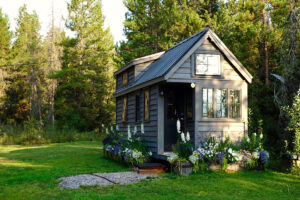
georgia tiny home laws




As the tiny home movement gains momentum across the nation, many are turning their eyes towards Georgia, eager to embrace a simpler, more sustainable lifestyle. However, before embarking on the journey of tiny home living, it’s crucial to understand the various restrictions and regulations that come into play. In this post, we will delve into the intricacies of Georgia tiny home laws, including vital zoning and building codes as well as the permits necessary to legally establish your dream tiny home. Join us as we navigate these important aspects, ensuring that your transition to tiny home living in Georgia is both enjoyable and compliant.
Understanding Georgia Tiny Home Laws: Zoning and Building Codes
When considering a tiny home in Georgia, it’s essential to grasp the Georgia tiny home laws regarding zoning and building codes. Zoning regulations play a critical role in determining where tiny homes can be placed. Some areas may allow tiny homes on private property, while others might restrict them to designated zones or require you to obtain specific permits.
In addition, building codes dictate the construction standards for tiny homes, including safety, sanitation, and energy efficiency. Familiarizing yourself with local codes ensures that your tiny home meets all necessary requirements, promoting a safe and compliant living environment. Remember, each county and city may have specific regulations, so thorough research is key to a successful tiny home project in the state.
Navigating Permits and Regulations for Tiny Homes in Georgia
When it comes to Georgia tiny home laws, understanding the necessary permits and regulations is crucial. Each county and municipality may have distinct requirements, often dictated by local zoning ordinances. First, always check local zoning regulations to determine if tiny homes are permitted in your desired area. Additionally, you’ll need to secure a building permit, which ensures that your home meets state safety and construction standards.
Don’t overlook utility connections, as permits for water, electricity, and sewage are often essential. Finally, consider reaching out to the local planning department for guidance; they can provide clarity on any specific regulations in your area. Taking these steps will pave the way for a smoother tiny home journey in Georgia.
Frequently Asked Questions
What are the minimum size requirements for tiny homes in Georgia?
In Georgia, tiny homes are subject to specific size regulations that can vary by jurisdiction. Generally, a tiny home must be at least 100 square feet to be considered a dwelling. However, many counties and cities may enforce their own rules, with some requiring a minimum of 200 square feet. It’s essential to check with your local zoning and building authorities to ensure compliance with all laws and regulations, including minimum dimensions, to avoid potential fines or the need for modifications.
Do I need a building permit to construct a tiny home in Georgia?
Yes, in Georgia, obtaining a building permit is typically required to construct a tiny home. The need for a permit can vary depending on local regulations, the intended use of the tiny home (residential or temporary), and its foundation type (on wheels or fixed). It’s crucial to contact your local building department to understand the specific permit requirements, necessary inspections, and any zoning laws that might affect your tiny home project. Failure to secure a permit can lead to issues with compliance and future property transactions.
Are tiny homes allowed on private land in Georgia?
The allowance of tiny homes on private land in Georgia largely depends on the local zoning regulations and property size. Some regions permit tiny homes on private properties as accessory dwellings or guesthouses, while others might restrict their use entirely. Additionally, if the tiny home is on wheels, it may be classified differently and subject to mobile home regulations. Always check with your local zoning office to understand the specific rules, limitations, and any potential variances that might apply to placing a tiny home on your property.