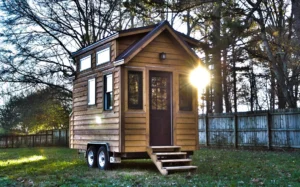
awesome tiny houses




From ingenious loft beds to foldaway kitchens, awesome tiny houses are proving that small-space living can be stylish, sustainable, and surprisingly spacious. Driven by rising housing costs, a craving for simplicity, and a passion for eco-friendly choices, this movement blends minimalist lifestyle principles with clever, space-saving design. Imagine multipurpose furniture, modular storage, and light-filled layouts that turn mere square footage into highly functional, beautiful homes—often with the bonus of mobility or off-grid capability. Whether you’re downsizing, seeking affordability without sacrificing comfort, or dreaming of a flexible home base for travel and community, these pint-sized dwellings showcase how thoughtful architecture and smart technology can redefine what “home” means today.
Why awesome tiny houses Are Redefining Small-Space Living
Space efficiency drives this movement forward. Designers maximize every inch with built-ins, lofted sleeping areas, and convertible furniture. As a result, residents enjoy open sightlines, smart storage, and uncluttered rooms that feel larger than their footprint suggests. Moreover, thoughtful layouts prioritize natural light and ventilation, which boosts comfort and reduces energy needs.
Design innovation sets these dwellings apart. Sliding walls, fold-out desks, and modular cabinetry adapt to changing needs throughout the day. In addition, integrated tech—such as smart thermostats and compact, energy-efficient appliances—keeps utility bills in check while enhancing daily convenience.
Financial freedom is another key advantage. Lower construction costs, minimal maintenance, and reduced utilities make ownership accessible to more people. Consequently, homeowners can redirect savings toward travel, education, or investments, achieving long-term stability without sacrificing style or comfort.
Sustainability shapes the ethos behind these homes. Many builds use reclaimed materials, solar panels, rainwater catchment, and composting systems. Therefore, the environmental footprint shrinks, and residents live closer to their values of conservation and responsible consumption.
Lifestyle flexibility appeals to remote workers, downsizers, and adventurous families alike. Whether parked on a small urban lot or tucked into a rural landscape, these compact homes offer mobility, privacy, and a clear path to simpler living. Even better, communities are emerging with shared gardens, workshops, and co-working spaces that foster connection.
Ultimately, bold design, lower costs, and greener choices make awesome tiny houses an appealing answer to modern housing challenges. By blending creativity with practicality, they transform limited square footage into expressive, livable space that supports well-being and freedom.
Additional Reading Suggestions
Frequently Asked Questions
How much does it cost to build or buy an awesome tiny house?
Costs vary widely based on size, materials, finishes, and whether you build it yourself or hire a professional. A DIY build using budget-friendly materials can start around $25,000–$45,000, while professionally built models with high-end finishes typically range from $70,000–$150,000. Additional expenses include trailer or foundation, permits, utility hookups, off-grid systems, insurance, and furnishings. Planning a detailed budget, securing multiple quotes, and prioritizing features can help you control overall costs without compromising quality.
What permits and zoning rules should I know before placing a tiny house?
Regulations differ by city, county, and state, so start by contacting your local planning department. Key considerations include minimum dwelling size, whether tiny houses on wheels are classified as RVs, where they can be parked, and whether accessory dwelling units (ADUs) are allowed on residential lots. You may need building permits, inspections, and utility approvals. If going off-grid, septic or composting toilet rules apply. Document your structure’s certifications (e.g., RVIA, NOAH) and always verify HOA restrictions and long-term parking legality.
How can I maximize space, storage, and comfort in a tiny house without feeling cramped?
Successful tiny living relies on smart design and multifunctional elements. Think vertical: use lofts, wall-mounted shelving, and ceiling-height cabinets. Incorporate convertible furniture like sofa-beds, folding tables, and under-stair drawers. Choose light colors, ample windows, and mirrors to enhance openness and daylight. Invest in compact, energy-efficient appliances and consider pocket or barn doors to save swing space. Declutter ruthlessly, use modular bins, and design zones for sleeping, cooking, work, and relaxation to maintain comfort and flow.