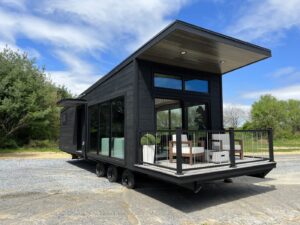
tiny home builders in tennessee




Dreaming of downsizing without giving up adventure? Tennessee is calling, with a blend of low cost of living, friendly zoning in select communities, and a backdrop that ranges from the Smoky Mountains to the vibrant streets of Nashville and Chattanooga—perfect for tiny living that doesn’t feel small. Whether you crave creekside solitude or a walkable urban neighborhood, the Volunteer State offers diverse land options, year‑round outdoor recreation, and a supportive maker culture that champions craftsmanship and sustainability. In this guide, we’ll explore why the state is becoming a magnet for tiny home builders in Tennessee—from flexible building codes and utility access to financing tips and local resources—so you can turn your minimalist vision into a move‑in‑ready reality.
Why Tennessee Is a Hotspot for Tiny Living
Affordable land and taxes make Tennessee a magnet for downsizers and first-time buyers alike. With no state income tax and a relatively low cost of living, monthly budgets stretch further—so owners can invest in quality builds, energy-efficient systems, and beautiful finishes without sacrificing location.
Diverse landscapes add to the appeal. From the Great Smoky Mountains to the Cumberland Plateau and the Tennessee River Valley, residents can choose mountain views, lakefront lots, or rolling farmland. Consequently, outdoor enthusiasts find year-round recreation—hiking, paddling, climbing—right at their doorstep, which perfectly complements a compact, low-impact lifestyle.
Flexible housing trends are gaining momentum across the state. While regulations vary by city and county, several communities are exploring more adaptable zoning, accessory dwelling units, pocket neighborhoods, and tiny house villages. This evolving landscape creates opportunities for both full-time residences and short-term rental income in high-demand areas near Nashville, Knoxville, Chattanooga, and the Smokies.
Skilled craftsmanship and local supply chains also set Tennessee apart. A robust network of tradespeople, lumber suppliers, and small manufacturers supports high-quality builds with shorter lead times. As a result, working with tiny home builders becomes more streamlined, from permitting guidance to site prep and utility hookups.
Four-season practicality further strengthens the case. Mild winters reduce heating loads, while abundant sun supports solar setups for semi-off-grid living. Moreover, thriving music, food, and arts scenes foster a strong sense of community—so tiny homeowners can enjoy big-culture amenities without big-house overhead. Altogether, these advantages make Tennessee a natural choice for anyone ready to right-size their life with the help of experienced tiny home builders and a welcoming, resource-rich environment.
Explore More
Additional Reading Suggestions
Frequently Asked Questions
What building codes and zoning rules apply to tiny homes in Tennessee?
In Tennessee, rules depend on whether your tiny home is on a foundation or on wheels (THOW). Foundation-built tiny homes generally follow the International Residential Code (IRC), and many jurisdictions reference IRC Appendix Q for homes under 400 sq ft, which eases loft, stair, and egress requirements. THOWs are usually treated as RVs and may need to meet RV standards (such as ANSI A119.5) or carry certifications like RVIA or NOAH. Zoning varies city by city: some areas allow accessory dwelling units (ADUs) or cottage courts, while others restrict minimum square footage or prohibit full-time RV living. Always confirm with your local planning and building departments (e.g., in Davidson County/Nashville, Knoxville, Chattanooga, or Sevier County) about minimum size, placement, setbacks, utility hookups, and whether long-term occupancy is allowed before you sign a contract.
How much does a tiny home in Tennessee cost, and what factors influence pricing and financing?
Most professionally built tiny homes in Tennessee range from about $60,000 to $150,000+, depending on size, build type (foundation vs. on wheels), level of customization, material choices, energy features, and whether the price includes site work and utilities. High-end finishes, off-grid systems (solar, composting toilets), and complex rooflines increase cost. Foundation builds also include permitting, inspections, and site prep (pad, foundation, septic or sewer tie-in). Financing can include personal loans, construction loans for foundation builds, or RV-style loans for certified THOWs; some regional credit unions and specialty lenders offer products tailored to tiny homes. Ask builders for itemized quotes, what’s included (appliances, delivery, steps), and clear allowances for change orders so you can compare apples to apples.
What timeline should I expect with a Tennessee tiny home builder, and what’s included in the process?
From signed contract to delivery, many Tennessee builders estimate 12–24 weeks, but timing depends on design approvals, permitting, materials, and weather. A typical process includes consultation, design and specs, a fixed or cost-plus contract, deposit, permitting (for foundations), staged construction with progress payments, inspections, and a final walkthrough. Delivery logistics involve route planning, permits for oversized loads (for wider THOWs), and site readiness (level pad, utilities). Reputable builders provide documentation (plans, weights, manuals, certifications), limited workmanship warranties (often 1 year), manufacturer warranties for appliances, and clear maintenance guidance. Before starting, request references, proof of licensure/insurance, and a written warranty and service policy for post-delivery support.