
tiny home retirement communities




Imagine trading square footage for freedom: tiny home retirement communities are reimagining what life after work can look like for seniors who value simplicity, connection, and smart finances. Blending compact, energy-efficient cottages with thoughtfully planned neighborhoods, these communities offer low-maintenance living, walkable layouts, and shared amenities like clubhouses, gardens, and wellness programs. For retirees seeking to downsize without sacrificing comfort, tiny homes provide single-level living, accessible designs, and lower utility costs—freeing up time and money for travel, hobbies, and family. With a focus on sustainability and community, residents enjoy a built-in social network, safer environments, and the flexibility to age in place gracefully. Whether you prefer a minimalist vibe, a modern prefab, or a cozy park-model cottage, this lifestyle delivers affordability, independence, and a sense of belonging—all in a footprint that fits your next chapter.
What Are Tiny Home Retirement Communities?
Definition: Tiny home retirement communities are planned neighborhoods where older adults live in compact, well-designed houses—typically 200–600 square feet—clustered around shared amenities. Residents own or lease their homes and often rent the land, creating an affordable, community-centered alternative to traditional housing.
Key Features: These villages emphasize accessibility, with single-level floor plans, wide doorways, and step-free entries. They also prioritize low-maintenance living through landscaping services, simplified utilities, and energy-efficient construction. Moreover, pocket parks, walking paths, and clubhouses foster daily connection without the upkeep of a large property.
Lifestyle and Services: Unlike conventional senior living, many of these communities focus on independence and an active lifestyle. You’ll find social calendars, hobby sheds, gardens, and fitness spaces rather than full medical care. Some offer optional concierge services—transportation, housekeeping, or meal programs—so residents can age in place comfortably.
Affordability and Ownership: Tiny homes reduce upfront costs and monthly expenses. Residents may buy a unit and pay a modest lot lease, or join cooperatives that share common-area expenses. Transparent HOA rules typically cover amenities, maintenance standards, and quiet hours, ensuring a peaceful environment.
Community Design: Thoughtful “pocket neighborhood” layouts bring front porches closer, encouraging friendly interaction while preserving privacy. Sustainable materials, solar options, and rainwater systems are common, reflecting values of simplicity and stewardship.
In short, these communities merge the benefits of tiny living with the social fabric of retirement communities, offering independence, connection, and smart design tailored to aging well.
Frequently Asked Questions
What is a tiny home retirement community, and how is it different from a traditional 55+ community?
A tiny home retirement community is a neighborhood designed for older adults where primary residences are compact—often 200–600 square feet—and optimized for efficiency, low upkeep, and affordability. Unlike many traditional 55+ communities with larger homes and expansive landscaping, tiny home communities emphasize minimalism, shared amenities, and a smaller environmental footprint. Residents typically enjoy communal gathering spaces, gardens, dog parks, and walking trails rather than private yards. The lifestyle focuses on downsizing possessions, reducing monthly costs, and fostering close-knit social connection while still offering age-friendly features like single-level layouts, accessible entries, and proximity to healthcare and services.
How much do tiny home retirement communities cost, and what fees should I expect?
Costs vary by location, model, and whether you purchase land or lease a site. Expect the home itself to range roughly from $60,000 to $150,000+, depending on customization and build quality. If the community operates on a land-lease model, monthly pad/site rents can range from a few hundred to over a thousand dollars and may include utilities or Wi‑Fi. Homeowners association (HOA) or community fees often cover shared amenities, landscaping, and maintenance. Budget for utilities (electric, water, sewer, trash), insurance, property taxes (or personal property taxes if the home is classified as a vehicle), and routine upkeep like HVAC servicing and roof checks. Some communities also charge one-time move-in or application fees and offer optional services such as housekeeping, wellness programs, or shuttle transport.
Are tiny homes practical for aging in place, and what accessibility features should I look for?
Yes—when designed thoughtfully, tiny homes can be excellent for aging in place because they minimize distances, upkeep, and energy use. Prioritize single-floor designs without loft-only sleeping areas, or choose homes with full-height main-floor bedrooms and stair alternatives. Look for no-step entries, wider doorways (preferably 32–36 inches), lever handles, walk-in or roll-in showers with seating, non-slip flooring, and blocking in walls for future grab bars. Good lighting, contrasting color edges, and smart-home features (voice controls, video doorbells, automated lighting) can enhance safety. Ensure the community is close to medical providers and offers accessible paths, community centers with ramps, and emergency response plans. Finally, confirm local zoning, snow/wind ratings for your region, and pet policies before committing.
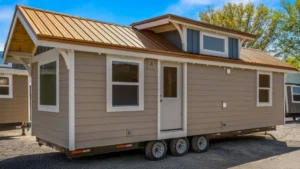
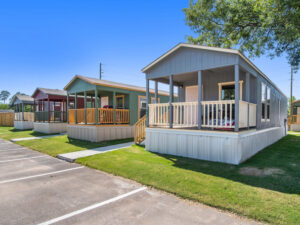

[…] Tinyliving can be a smart path forward, and bold design choices are making tiny home communities more appealing than ever. These neighborhoods offer a blend of cost savings, sustainable practices, and social connection, yet they also face regulatory and logistical hurdles. Consider the key trade-offs below. […]